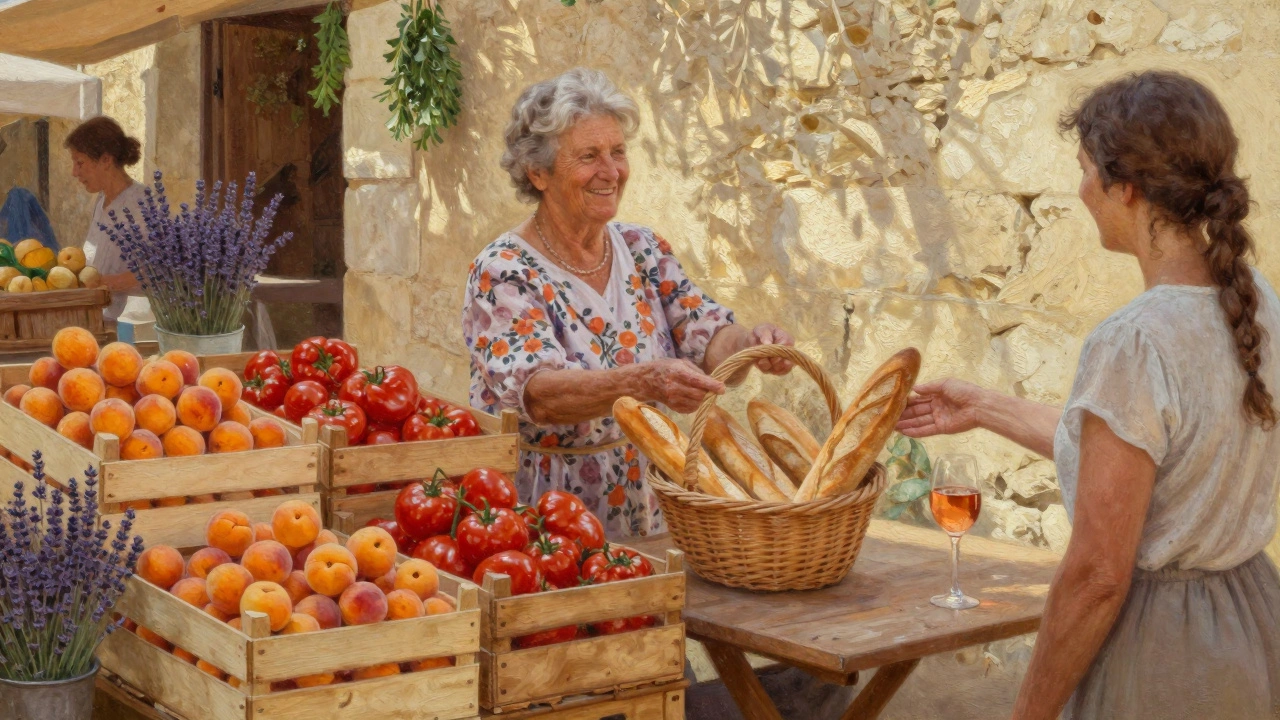
France isn’t just about croissants and Eiffel Tower selfies. It’s a country where the rhythm of life feels different - slower in the villages, louder in the markets, and always full of flavor. You can taste it in the buttery pain au chocolat at 8 a.m., hear it in the laughter spilling out of sidewalk cafés in Marseille, and feel it in the salt spray off the Côte d’Azur at sunset. But if you’re searching for something deeper than postcard views, you’ll find it in the quiet corners: a fisherman mending nets in Biarritz, an elderly woman selling apricots from her garden near Avignon, or the way strangers still say ‘bonjour’ before asking for directions. This is the France that stays with you.
Some people look for shortcuts to experience it all - like searching for escort paeis - but the real magic isn’t in hired company. It’s in the unplanned moments: getting lost in Lyon’s traboules, stumbling upon a street musician playing accordion in Montmartre, or sharing a bottle of wine with locals who invite you to their table because you looked curious. France rewards presence, not planning.
The Beach Culture You Won’t Find on Instagram
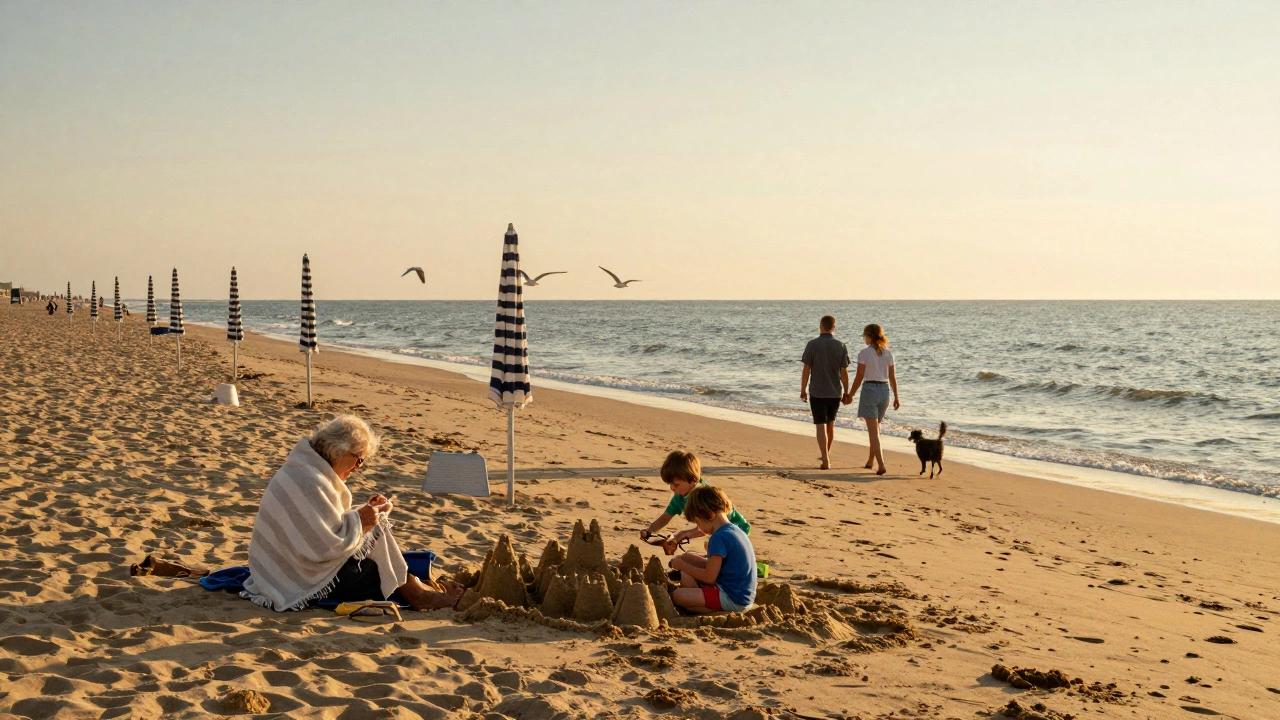
When people think of French beaches, they picture Saint-Tropez with yacht parties and designer swimwear. But the truth? Most French families head to the quieter stretches - like the long, windswept sands of La Baule or the wild dunes of Cap Ferret. Here, you won’t see influencers posing with coconut water. You’ll see grandmas knitting under striped umbrellas, kids building sandcastles that collapse with the tide, and couples walking hand-in-hand at dusk with their dogs. The beach isn’t a show. It’s a ritual.
Unlike in some countries where beaches are crowded with vendors and loud music, French beaches are mostly quiet. There’s no plastic cup of overpriced soda. No floating water trampolines. Just sand, sea, and the occasional cry of a seagull. Locals bring their own food - crusty bread, cheese, fruit, and a bottle of chilled rosé. They don’t need a soundtrack. The ocean provides it.
Food That Doesn’t Need a Fancy Name
The food in France isn’t about Michelin stars. It’s about what’s fresh, local, and made with care. In Lyon, you’ll find bouchons - tiny family-run restaurants serving pork sausage, duck pâté, and tarte aux prunes. In Normandy, cider flows like water and creamy Camembert melts on warm baguettes. In the south, ratatouille isn’t a restaurant dish - it’s what your neighbor made last week and brought over because you looked tired.
Street food? Yes, but not the kind you get in New York. Think crêpes from a cart in Brittany, grilled sardines on the coast of Biarritz, or a simple sandwich of jambon-beurre from a boulangerie. No avocado toast. No matcha lattes. Just bread, butter, ham, and a smile from the baker who remembers your name.
The Love of Life Isn’t a Marketing Gimmick
You hear it all the time: ‘The French love life.’ But what does that actually mean? It means they take Sundays seriously. No errands. No emails. Just long lunches, naps, and walks through the park. It means they’ll cancel a meeting to watch the sunset. It means they argue passionately about which cheese is best - and then share it anyway.
There’s no rush. No ‘hustle culture.’ People don’t measure success by how busy they are. They measure it by how much joy they’ve had. A French parent might say, ‘We didn’t go on vacation this year, but we had three perfect afternoons eating strawberries in the garden.’ That’s wealth.
And yes, they drink wine with lunch. Not because they’re fancy - because it’s part of the meal. A glass with fish, a glass with cheese, a glass with dessert. It’s not about getting drunk. It’s about savoring. Slowing down. Letting time stretch out like the shadows at the end of the day.
Paris Isn’t the Whole Story
Paris gets all the attention. But if you only see Paris, you’ve only seen half of France. The real soul lives elsewhere. In the lavender fields of Provence. In the medieval streets of Carcassonne. In the mountain villages of the Alps where everyone knows each other’s name. In the fishing ports of Brittany where the boats still come in at dawn.
Even in Paris, the best moments aren’t at the Louvre. They’re in the 14th arrondissement, where you can find a tiny bookstore that’s been there since 1952, or a corner café where the barista knows you take your coffee black with one sugar. You won’t find those places on a tour bus. You find them by walking, by getting lost, by saying ‘excusez-moi’ when you need help.
And if you’re looking for something more - like
Why the Myths Don’t Hold Up
People say the French are rude. But that’s usually because they don’t say ‘hello’ before asking for bread. In France, skipping ‘bonjour’ is like walking into a room and demanding coffee without looking up. It’s not hostility. It’s protocol.
They say French food is expensive. But a baguette costs €1.10. A bowl of soup at a bistro? €8. A train from Lyon to Marseille? €25 if you book early. France doesn’t cost more - you just need to know where to look.
And then there’s the idea that France is all romance and no reality. But the truth? French people are tired. They complain about taxes. They hate traffic. They scroll through their phones just like everyone else. What makes them different isn’t that they’re perfect. It’s that they still choose joy - even when it’s hard.
What You Should Bring Home
You won’t leave France with a suitcase full of souvenirs. You’ll leave with a different way of thinking. A slower heartbeat. A deeper appreciation for quiet moments. A habit of saying ‘thank you’ to the person handing you your coffee. A memory of eating a peach so ripe it dripped down your wrist and you didn’t care.
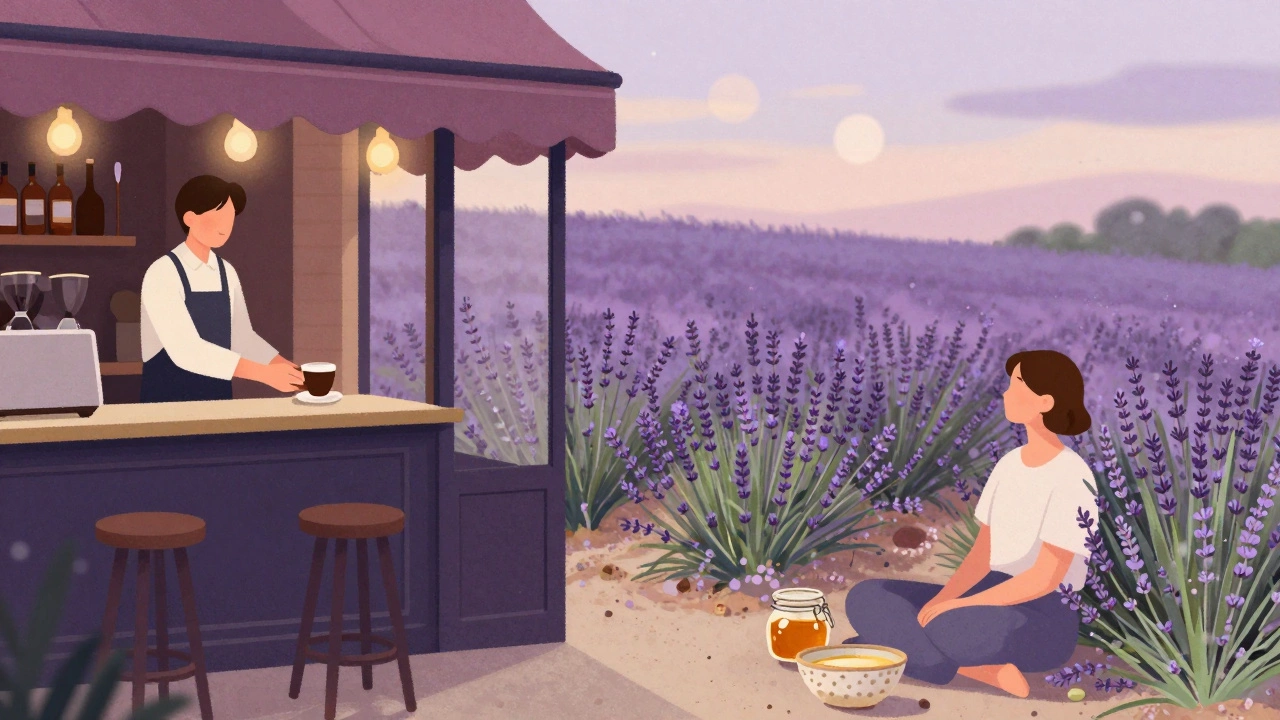
Bring home a jar of lavender honey from the Luberon. A bottle of Domaine de la Janasse wine. A handmade ceramic bowl from the pottery town of Vallauris. But more than that - bring home the understanding that life doesn’t need to be loud to be meaningful.
And if you ever find yourself scrolling through a website looking for